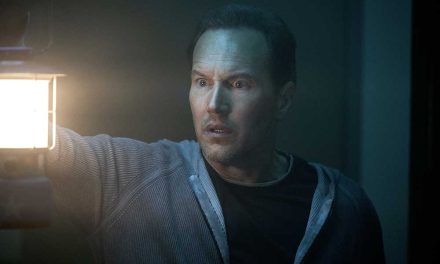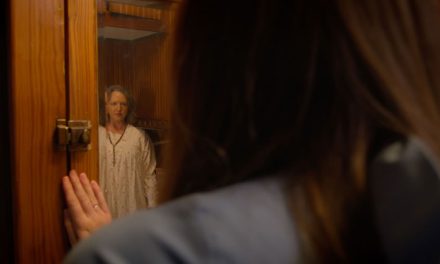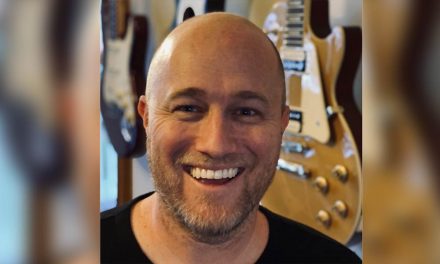
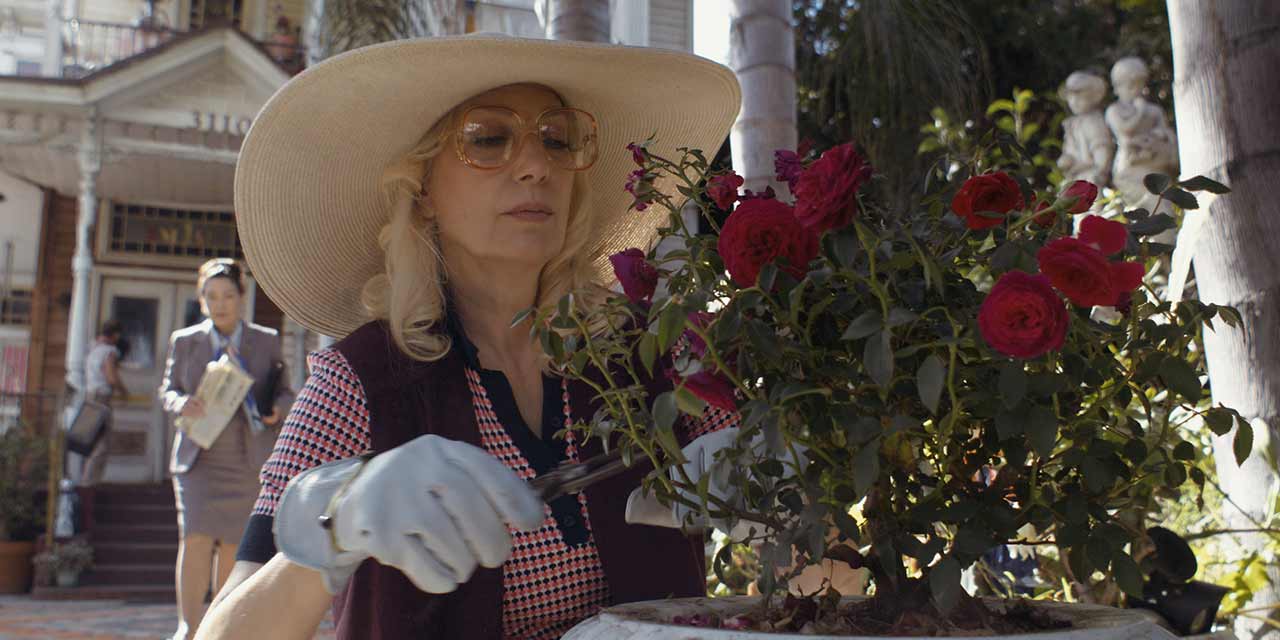
With Dorothea, writer-director Chad Ferrin peels back the polite façade of one of America’s most chilling killers, Dorothea Puente—a sweet-looking Sacramento landlady who buried her secrets, and her victims, in her own garden.
Known for his gritty true-crime horrors Pig Killer and Ed Kemper, Ferrin once again blurs the line between reality and nightmare, crafting a film that’s as unnervingly human as it is horrifying.
In our interview, Ferrin discusses his fascination with Puente’s deceptive charm, the balance between truth and terror, and why sometimes the most terrifying monsters are the ones who seem the kindest. Dorothea is now available on VOD.
Dorothea dives into the disturbing true story of Dorothea Puente. What was it about her crimes that made you think, “This belongs in the realm of horror”?
The wolf in sheep’s clothing aspect is what really drew me in. The time period, cheating the system, burying bodies in her rose garden was the icing on the horror cake. Robert Aldrich with a dash of Goodfellas all the way.
True crime and horror often overlap, but Dorothea feels especially unsettling because it’s so grounded. How did you keep that balance between realism and cinematic tension?
I soak up all information on the actual crimes, filter it through my cinephile brain and try to create something entertaining, informative and unique.
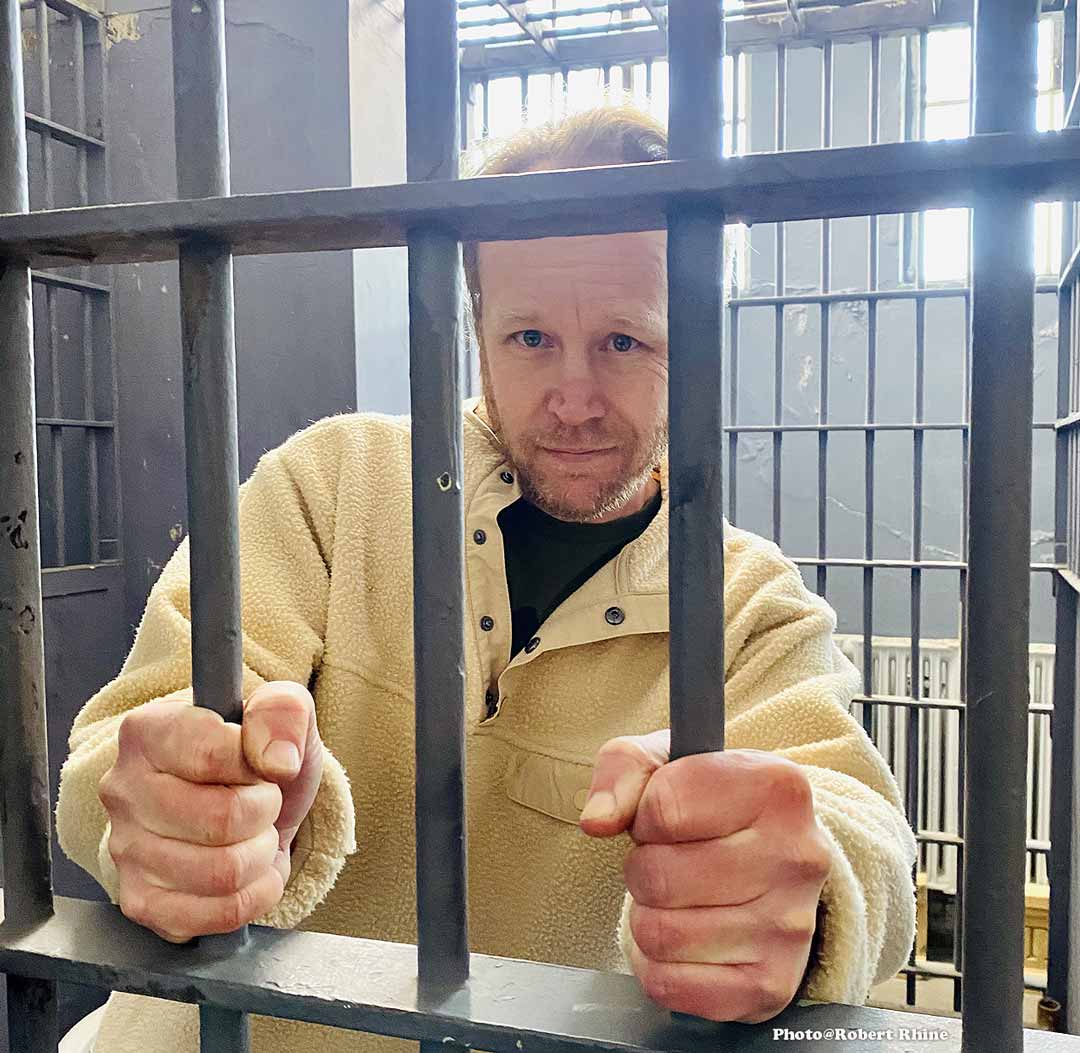
The film captures an eerie, almost claustrophobic atmosphere. What were your visual or tonal inspirations in shaping that mood?
I’m visually elastic, open to what the location and actors bring to the scenes. When I write a script, that’s one impression, but when you’re on set, it varies from my vision by how the actors speak the lines, it becomes a completely different thing, and that’s what I really dig. An honest reaction is far more important than anything else for me.
Susan Priver gives such a chilling performance as Dorothea. How did you work with her to bring both the charm and menace of that character to life?
After working with Susan on Ed Kemper, I knew she was the one and only actor to play Dorothea. And like any good actor, she found things in her own character that were relatable and used that to bring the performance to life.
Female killers are still rarely explored in genre films. Did that open up new storytelling possibilities or challenges for you?
After Pig Killer and Ed Kemper, it was great to detour into a female killer, especially one as devious as Dorothea Puente. Researching her, I couldn’t help but admire her in many ways, something I can’t say about Robert Pickton, Ed Kemper, or Richard Ramirez. And telling the tale in a Robert Aldrich meets Goodfellas style was a blast.
You’ve said you wanted to make the victims and their killer “as human as possible.” How do you approach violence in a way that feels truthful rather than exploitative?
I go with my gut and hope that my moral compass guides me in being truthful.
The film’s pacing has a slow-burn quality—there’s dread in the everyday moments. Was that deliberate from the start, or something that evolved in editing?
We followed the script pretty close on this one, so I’d say it was there on the page.
You’ve tackled real-life monsters before in Ed Kemper and Pig Killer. What makes Dorothea stand apart for you within your true crime horror work?
You like this woman. She was smart, tough, and a survivor. Things that a lot of people can admire. Though the fact that she was a cold-hearted killer is kind of a major flaw.
Finally, horror often reflects our fears back at us. What do you think Dorothea says about human nature—or about the evil that hides in plain sight?
That people judge others by their looks can really bite you in the ass. The film defies expectation with its warm, inviting feel, much like Dorothea had with her victims.

- Best 15 Horror Series on Netflix (Updated December 2025) - November 28, 2025
- The Best Alternative Christmas Horror Movies - November 27, 2025
- Laughing in the Dark: Samantha Hale Brings Horror Fandom to New Special Horror Nerd - November 27, 2025