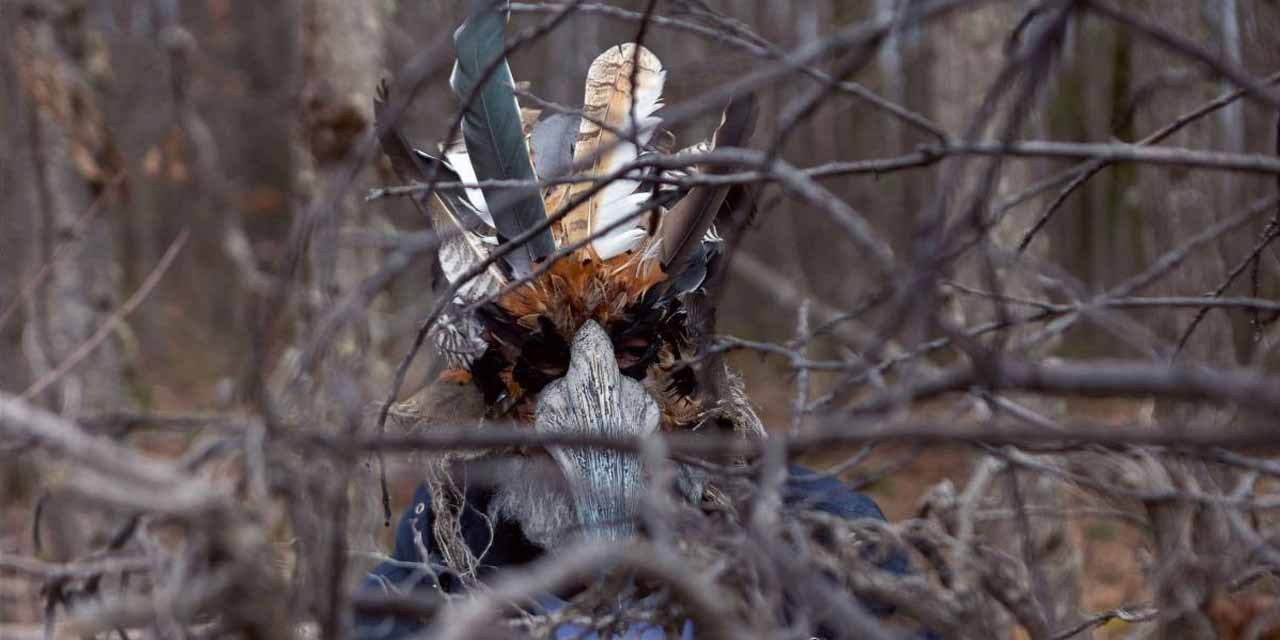
The Crystal Cuckoo ending explained: Discover who killed Miguel, the truth about who Rafa’s father is, and all the twisted secrets in the new Netflix thriller. Complete breakdown of the plot twists and serial killer reveal in our ending explained of The Crystal Cuckoo Netflix series below.
The ending of The Crystal Cuckoo series on Netflix does give you lots of answers. However, you may have missed some of them, and are still full of questions. Well, we’ve got you covered here.
Warning: Spoilers ahead for the full six-episode Netflix limited series. If you’re looking for a review, head on over here >
When The Crystal Cuckoo (based on Javier Castillo’s novel) landed on Netflix, it teased a psychological mystery rooted in grief, identity, and secrets carried in the most literal way: a heart transplant. But the show’s ending uncoils something far darker and more tangled than Clara Merlo simply seeking the donor of her heart.
Let’s break down exactly what happens in the finale of The Crystal Cuckoo ending, and how all the threads tie together. Not least, why the title element of “Cuckoo” hits harder than you might think.
The heart transplant donor’s family
What Is The Crystal Cuckoo About?
Clara (Catalina Sopelana), a medical resident in Madrid, survives what should’ve been a fatal heart attack thanks to a transplant. Her curiosity — or compulsion — to find out who her donor was leads her to a remote village. There, she meets the Ferrer family: Marta (Ituño), her son Juan (Nieto), and, crucially, the story of the late Carlos, Clara’s heart donor.
But the mystery deepens very early on. Marta’s husband, Miguel (Álex García), disappeared when Juan and his brother were children. This fact is a reawakened trauma when Clara arrives just as a baby is kidnapped, seemingly echoing past disappearances.
As Clara digs in, she becomes a player in a decades-old conspiracy of violence, incest, and ritual — one that’s intimately linked to not only her donor’s death but the very heart now beating in her chest.
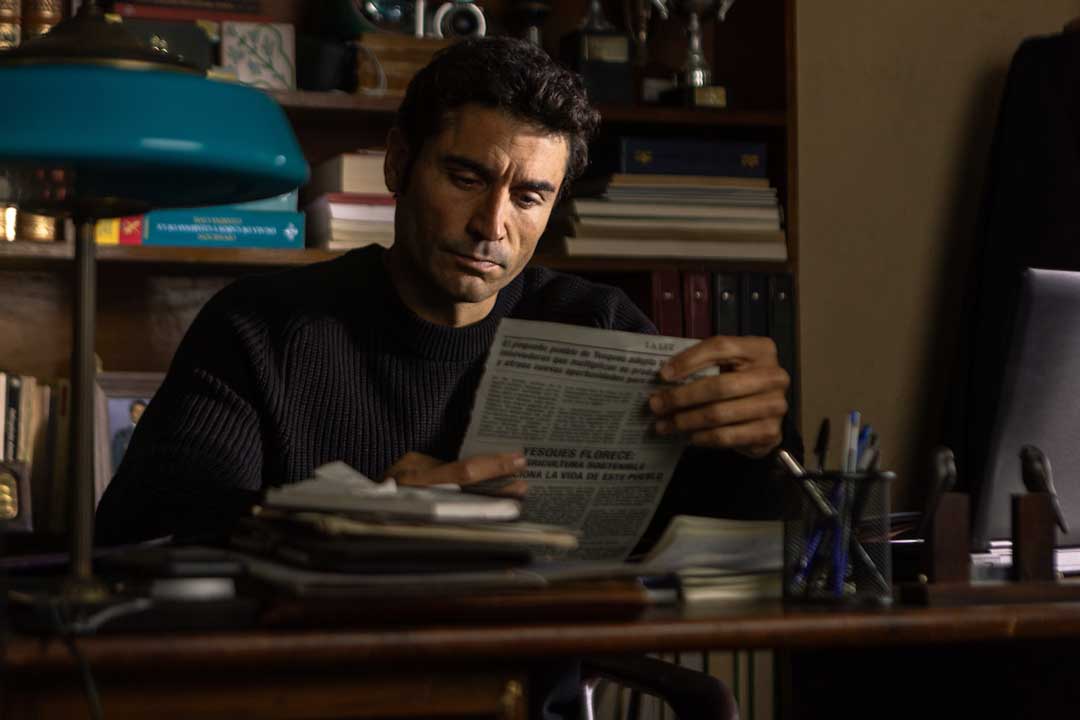
Key Reveals — Who Did What?
Here are the major revelations in the closing episodes, broken down by character and crime:
Who took the baby in The Crystal Cuckoo?
Gabriel, suffering from dementia, is revealed to have orchestrated the baby kidnapping as part of a ritualistic dance on top of the grave of Silvia Luna and Miguel Ferrer.
His madness ties back to his long history of violence and twisted traditions. Taking the baby is probably more of a sudden impulse than anything planned, but it’s still a sinister action that terrifies the village.
Who killed Magdalena?
Gabriel had a casual sexual relationship with Magdalena. One day, he loses control and kills her with a rock. Rafael (Iván Massagué) witnesses this by accident — but buries the memory deep.
Rafael is the best friend of Miguel, the little brother of Magdalena, so he cannot live with this knowledge, which is why he forces himself to repress the memory. As far as anyone knows, Magdalena was just another young woman gone missing, not a murder victim.
Who killed Miguel?
Miguel, Marta’s husband and Rafael’s best friend, figured out Gabriel’s secret and intended to kill him. However, Miguel also desperately wanted to know what had happened to his sister and wanted Gabriel to give him answers.
This allows enough time for Rafael to arrive and intervene. In a shocking twist, Rafael kills Miguel to “protect” Gabriel, or perhaps himself. After all, Rafael had a deep, dark secret of his own.
Who murdered Silvia Luna?
In one of the darkest turns, we see Rafael rape and kill Silvia Luna. We also see that he had been having an affair with the young woman, who had broken off their relationship after a bad experience. Rafael started choking her during a late-night encounter, claiming he thought she liked it, but instead, she stopped their affair altogether.
The rape and murder committed by Rafael is the first indication that he may have the same inclinations as Gabriel. Until this moment, Rafael has loathed Gabriel since seeing him murder his best friend’s sister, but now he needs his help to dispose of the body.
Knowing Gabriel’s depravity is also part of himself makes Rafael deeply disturbed, but his self-preservation wins. As Gabriel hides the body, Rafael himself goes on to investigate Silvia’s disappearance as a local police officer.
Who taught Carlos the ritualistic dance?
Clara learns that Carlos (her donor) had been taught the ritualistic dance by Rafael.
However, this dance isn’t “just” a tradition. Instead, it’s linked directly to the sinister legacy of Gabriel.
As such, Rafael passed Gabriel’s rituals (and his trauma) to Carlos, his godson.
Once again, doing what a Cuckoo does: Taking over a family and claiming it as his own. Rafael had no children.
Did Carlos kill himself?
The accident that killed Carlos was not just a tragic crash — according to his girlfriend Maria, it was suicide. Something we get confirmed in a flashback, where we see Carlos drive straight off a cliff.
The implication: Carlos couldn’t live with what he’d learned, or what had been passed to him by Rafael.
What’s going on with the birthmarks?
Carlos, Juan, and their father Miguel all have the same birthmark on their necks, yet the story never revisits or explains this detail. The most likely explanation is that it’s simply a hereditary trait.
Did Gabriel Durán kill his wife?
Yes — Gabriel did kill his own wife, Luisa.
The show makes this chillingly clear, tying it to the same cycle of violence and legacy.
How Gabriel killer Luisa isn’t made entirely clear, but it isn’t as important as the fact that he did cause her death.
Did Rafael kill himself?
Though Rafael left a series of suicide notes, he never went through with it.
In the end, he dies at the hands of either Clara or Marta, Carlos’s mother. It is heavily implied that Carlos’ mother, Marta, killed him, and he did not fight back because he wanted to die. He just couldn’t bring himself to commit suicide.
His already written suicide notes ultimately served as confessions to confirm everything Clara and Marta told the police.
Who is Rafael’s father?
It’s implied that Gabriel raped his own sister, and that Rafa was a result of that, which means Gabriel is the father of Rafael. We also see Rafael’s mother tell her son that Gabriel hurt all the women in his life, and she cut off her brother before her son was born.
This possibility reframes their entire relationship: not just uncle/nephew or mentor/obsessed disciple, but something more twisted and primal.
It sounds like the butt of a bad joke, but Gabriel was the “Uncle Daddy” of Rafael. Something Gabriel all but told Rafael straight to his face when he told Rafael to ask his mom about the identity of his father.
The Necklace Symbol – What does it mean?
The Crystal Cuckoo has a recurring motif: a necklace worn by Magdalena — the same one found around Gabriel’s wife, Luisa, after she dies.
Rafael realizes the connection, but Gabriel coldly tells him that he’s not just his uncle… he implies that he is his father. The necklace here becomes a symbol of corruption passed down, not just affection.
The motif of the necklace is a cuckoo, once again highlighting Gabriel’s fascination with this bird.
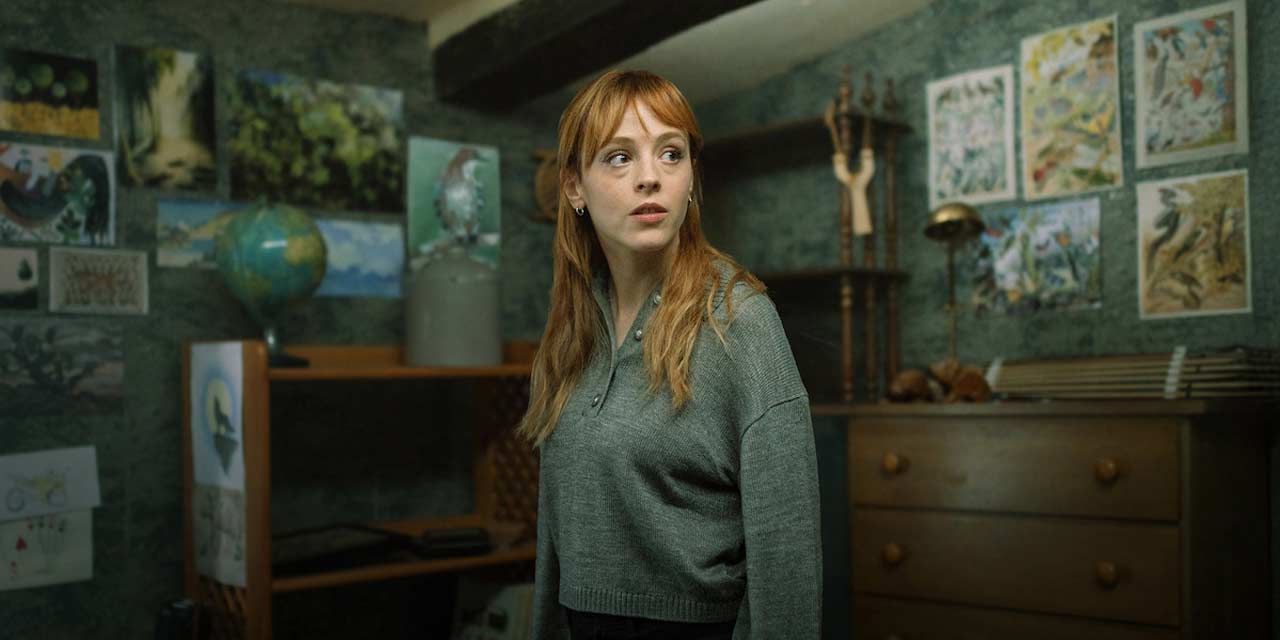
Why The Crystal Cuckoo? What Does the Title Mean?
At its core, the title is deeply metaphorical. A cuckoo is a bird that lays its eggs in another bird’s nest, letting the host raise its young while the baby cuckoo pushes out all the mother bird’s biological chicks. In the context of The Crystal Cuckoo:
Gabriel “laid his seed” in Rafael’s life (probably even physically in Rafael’s mother), forcing her to care for him, even though he was not her biological child in the way she would ever have chosen.
That “egg” is not innocent; It carries hatred, legacy, and violence. Rafael, raised in that lineage, internalizes Gabriel’s darkness.
Then, Rafael passes that poison on to Carlos, his godson — effectively making Carlos a cuckoo’s chick, inheriting the trauma and violence that Rafael once internalized.
In short, the cuckoo baby in this nest is always a curse – even when it’s presented as a gift.
So, What Does the Ending Mean?
Cycles of Abuse and Legacy
The show’s finale is deeply tragic because it suggests that evil isn’t just someone’s doing — it’s inherited. Gabriel’s legacy infects Rafael, who infects Carlos. Clara, by taking Carlos’s heart, becomes entangled in that legacy.
Clara’s Burden
Clara thought she was just grateful for a second chance at life — but she ends up with more than a beating heart. She now carries decades’ worth of guilt, ritual, and trauma in her chest. Her journey isn’t just physical; it’s existential.
Violence as Ritual
The rituals, the dance, the kidnapping — they’re not random acts of violence. They’re part of a ritualistic tradition passed down through generations, distorted by madness and obsession.
Ambiguous Redemption
There’s no neat redemption for these characters. Instead, they meet brutal ends.
- Gabriel is old and broken before being shot by the man he believes is his own son.
- Rafael is stained and guilt-ridden, resulting in him all but killing himself.
- Carlos is gone after he committed suicide, because he couldn’t go on
- Finally, Clara is left haunted by all of it.
The story in The Crystal Cuckoo refuses to give comfort — instead, it leaves its characters in the shadows of their own choices.
Final Thoughts on The Crystal Cuckoo
The Crystal Cuckoo doesn’t just deliver a mystery — it unpicks the very fiber of identity, showing how a heart transplant can come with more than gratitude.
It’s a meditation on inherited evil, memory, and the invisible burdens we carry. The ending doesn’t tie everything up neatly — but that may be its point.
Some secrets don’t end. Some wounds don’t heal.
For more on the series (and whether it’s worth a watch), check out our full review: Heaven of Horror: The Crystal Cuckoo review >

- Best 15 Horror Series on Netflix (Updated November 2025) - November 28, 2025
- The Best Alternative Christmas Horror Movies - November 27, 2025
- Laughing in the Dark: Samantha Hale Brings Horror Fandom to New Special Horror Nerd - November 27, 2025

![Black Mirror: Rachel, Jack and Ashley Too (4/5) – Netflix Review [Season 5]](jpg/black-mirror-rachel-jack-ashley-too-440x264.jpg)